ByJohn A
Home Improvement Center Makes Small Spaces Look Bigger
A home improvement center specializes in making small spaces feel larger. It uses smart storage, vertical systems, and modular furniture to reclaim floor area. The approach centers on a storage-first layout, cohesive palettes, and targeted lighting with reflective accents. Adaptable units transform cramped rooms into calm, expansive spaces that balance function and style. Yet the next steps reveal how these choices actually come together in real rooms, inviting closer consideration of what a compact space can become.
Make Small Rooms Feel Bigger With Smart Storage
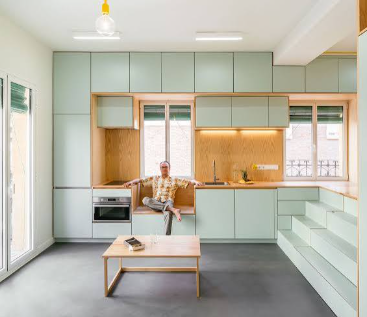
Smart storage solutions transform compact spaces by reclaiming floor area and organizing everyday items with purpose. The approach prioritizes adaptable units, multifunctional furniture, and vertical systems to reduce visual clutter. Storage solutions become a philosophy, guiding layout decisions. Color psychology informs accent choices to convey calm and spaciousness, supporting freedom of movement while preserving style, balance, and intentionality throughout the room.
Light Up Narrow Spaces to Expand Perceived Size
In narrow spaces, lighting can redefine perceived size by eliminating shadows and creating a clean, airy rhythm. Targeted luminance brightens corners and parallel lines, enhancing openness without clutter.
Soft lighting mingles with reflective surfaces to soften boundaries, while color depth adds visual weight, guiding the eye along planes. The result is a calmer, more expansive ambiance that feels liberating and precise.
Layout Tricks That Maximize Floor Area
Compact shelving creates storage without bulk, freeing floor real estate.
A cohesive color palette unifies zones, reducing visual fragmentation and enhancing openness.
Subtle textures add depth without overwhelming, sustaining a liberated, expansive feel.
Multi-Purpose Furniture for Clutter-Free Living
Multi-purpose furniture acts as a cornerstone of clutter-free living by combining function with compact form.
In modern spaces, pieces adapt to daily rhythm, morphing from seating to storage surfaces.
This approach supports storage organization while preserving openness.
Hidden compartments reveal themselves as clever solutions, concealing essentials and reducing visual noise, enabling intentional, freeing choices that respect personal space and simplicity.
See also: Benefits of Using Artificial Data Sets
Frequently Asked Questions
How Do I Measure My Space for Storage Solutions?
Measuring space for storage solutions begins with precise dimensions: length, width, height, and door swing. The article emphasizes measuring tricks, noting vertical clearance and accessibility. Space planning unfolds through careful sketching, removing clutter, and evaluating reach, gaps, and future needs.
What Lighting Color Makes Rooms Feel Larger?
Soft white makes rooms feel larger, while cool white preserves clarity; the space breathes at a distance, like a calm horizon. The lighting choice shapes perception, offering liberation through brightness, balance, and restrained warmth.
Can Mirrors Truly Alter Perceived Room Size?
Mirrors can alter perceived depth, though not actual space; their effects depend on placement, scale, and lighting. Mirror effects contribute to a sense of openness, inviting movement and reflection, while maintaining practical boundaries within the room’s functional layout.
Which Doors Save the Most Visual Space?
Sliding doors and pocket doors save the most visual space, while fold out desks and wall mounted shelving maximize floor area. The design prioritizes openness, flexibility, and personal freedom, delivering lean, efficient aesthetics without sacrificing accessibility or function.
Are Foldable Desks Suitable for Tiny Rooms?
Foldable desks can be practical in tiny rooms, offering flexible work surfaces when needed and preserving floor space otherwise. They suit compact layouts by folding away, though stability and surface area warrant evaluation for each specific use.
Conclusion
A home improvement center proves that small rooms can breathe with smart storage, precise lighting, and modular, multi-purpose furniture. By prioritizing storage-first layouts and cohesive palettes, clutter vanishes and calm takes over. Some may doubt that compact solutions sacrifice style, but the opposite is true: deliberate design expands perceived space without sacrificing personality. With adaptable units and reflective accents, even the smallest spaces feel open, serene, and purposeful, inviting users to live bigger in every square inch.