ByJohn A
Home Improvement Center Advice for Better Home Investments
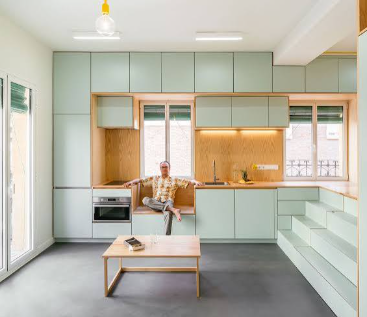
Home improvement decisions should center on durable, value-adding updates that appeal to a broad audience. Kitchens and baths with neutral finishes, energy efficiency, and transferable design choices typically offer the strongest return. Budget-smart upgrades, efficient lighting, and materials that balance cost and durability save time and money. Caution is warranted to avoid rushed, improvisational changes; data-driven, market-aware planning matters. The right mix can protect long-term profits, but a disciplined approach may reveal trade-offs worth considering next.
What Home Improvement Adds the Most Value
Home improvements that enhance resale value typically focus on cost-effective upgrades with broad appeal.
The analysis identifies durable upgrades, like kitchen and bathroom updates, as reliable value enhancers.
A thoughtful approach prioritizes energy efficiency, neutral finishes, and functional layouts.
Each choice should align with home improvement goals and market expectations, supporting value enhancement without excessive expense or niche risk.
Budget-Smart Upgrades That Pay Off
Budget-smart upgrades deliver solid returns by prioritizing low-cost, high-impact improvements that appeal to a broad audience.
In practical terms, prioritize transferable appeals like fresh paint in neutral tones, improved lighting, and efficient hardware.
These choices save time and money while enhancing perceived value.
The result is a flexible, time saving approach that supports future renovations and freedom of movement in design choices. budget smart.
Materials and Tools That Save Time and Money
Efficiency in selecting materials and tools hinges on balancing cost, durability, and ease of use. In practical terms, durable tools reduce repeat purchases, while time saving materials speed projects. Energy efficient upgrades lower long-term bills, and budget friendly options keep renovations attainable. A focused buyer favors reliable brands, clear warranties, and straightforward setup, maximizing freedom to pursue future improvements without regret.
Pitfalls to Avoid for Maximized Return
Achieving the best return on upgrades requires recognizing common missteps that erode value over time. The piece identifies purchasing mistakes that inflate costs without adding long-term benefit and warns against timing risks that misalign with market cycles. Decisions should be data-driven, cost-effective, and forward-looking, avoiding rushed renovations, over-improvised designs, and ignored maintenance, which collectively undermine profit and homeowner freedom.
Frequently Asked Questions
How to Estimate Project Timelines Realistically?
Estimating project timelines realistically requires listing milestones, gathering task durations, and validating with experienced staff. Timelines benchmarks and budget milestones offer practical anchors, enabling disciplined adjustments while preserving autonomy, transparency, and momentum across stakeholders throughout the project lifecycle.
Which Upgrades Increase Resale Value Fastest?
A notable stat: kitchens and bathrooms yield the fastest ROI, driving value quicker than other updates. Upgrades that increase resale value include modern kitchens, updated baths, and energy-efficient systems; these upgrades that increase resale value typically rise with market demand.
Do Energy-Efficient Features Impact Taxes or Rebates?
Energy-efficient features can impact taxes or rebates, depending on jurisdiction. Energy rebates and tax credits may apply for qualifying improvements, reducing upfront costs and long-term bills; eligibility rules, timing, and income limits shape the financial benefit for homeowners.
How to Handle Permit Requirements and Inspections?
A cautious breeze of order sweeps the project; permitting timelines and inspection readiness shape progress. The advisor notes zoning compliance, permit fees, and clear steps, guiding with practical, concise counsel for those who crave freedom in compliant, steady execution.
What Financing Options Suit DIY vs. Contractor Work?
Financing options differ: DIY projects favor low-cost credit and phased payments; contractor work leans toward fixed-price loans or draws. Pipelines budgeting and material sourcing align with project scope, reducing risk while financing smooths cash flow for both approaches.
See also: Benefits of Virtual Reality in Healthcare
Conclusion
Home improvement investments that prioritize durable, transferable updates—especially in kitchens and bathrooms with neutral finishes and energy-efficient features—tend to deliver broad appeal and steady value. A key stat: homes with completed midrange remodels in kitchens and baths see ROI in the 60–80% range on resale, underscoring the payoff of smart, budget-conscious choices. By choosing cost-effective materials, efficient lighting, and well-planned upgrades, homeowners protect long-term profits while maintaining upgrade flexibility for future market shifts.